We have been catching up and will continue today.
I will be checking blogs for completion.
ALL assignments must be updated by TOMORROW (Tuesday)
I will miss you all :)
Monday, June 20, 2011

Monday, June 6, 2011
Photo of the week: EMOTION
The photo of the week this week is EMOTION.
We will spend this week and next simply on catch up. We will omit the last HDR from the list just so everyone can catch up. Grads will be away Thurs and Friday for some of the class. Please make sure you CHECK YOUR BLOG and the list on the chalk board.
EMOTION


We will spend this week and next simply on catch up. We will omit the last HDR from the list just so everyone can catch up. Grads will be away Thurs and Friday for some of the class. Please make sure you CHECK YOUR BLOG and the list on the chalk board.
EMOTION

Monday, May 30, 2011
Photo of the week: EXTREME LIGHT
Good morning, only 15 more classes, reminder to GET YOUR WORK POSTED!!!!
Please remember to post your PORTRAITS and movement images this week. Next week we will be looking at HDR photography.


Please remember to post your PORTRAITS and movement images this week. Next week we will be looking at HDR photography.
Friday, May 27, 2011

Thursday, May 26, 2011
Wow, Thursday already!
Yesterday I handed out slips that listed what you are missing. It is VERY important that you keep up to date and continue to post your photography. I have a camera available with camera functions for changing shutter speed. You will need this in order to capture some blurred movement for the 'movement' assignment.
Here are some tips:
Here are some tips:


Wednesday, May 25, 2011
Good afternoon
I have a print out for you regarding ALL missing assigments and any future assignemnts. This will help you keep organized for the following few weeks :)
Pls help conserve by keeping your printout in a safe place.


Pls help conserve by keeping your printout in a safe place.
Tuesday, May 24, 2011
Happy Tuesday
I hope everyone had a great Long Weekend! Now, we are quickly approaching the end of term. We have 13 school days until Grad and 18 days until the term ends. Literally, we have 24 days until we head into the weekend before exams.
Please keep in mind the assignments that are due. This week we will be working on MOVEMENT>
and next week HDR then we will be assembling photos into a slideshow and printing for the Fine Arts Showcase.
Here is a photographer that hosts a website with many beautiful images. The Ocean inspires him
http://www.wix.com/retromovement/dancosta#!portfolio DAN COSTA: Living the Dream
MOVEMENT
Movement in photography is most times something that you want to avoid. Other times, however, movement can be the subject of the photograph, and can provide some very interesting effects, for example a blurred background and a completely still foreground. This weeks focus is: Movement.
http://gadgetphotoreview.com/camera-shutter-speed-is-limited-movement-photography/.html
We can look at movement in different ways: Frozen action, subject in focus-movement around subject. Action Photography
http://www.cruzine.com/2010/08/09/action-photography/ <---Frozen action
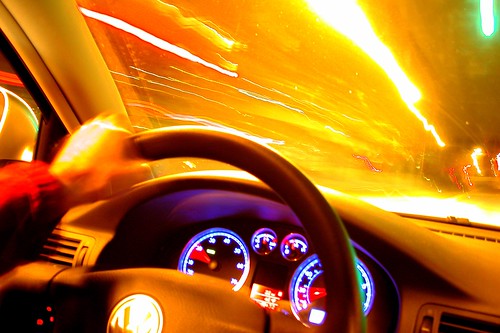
Using BLUR to portray Movement
 Shutter speed: 8 seconds

Please keep in mind the assignments that are due. This week we will be working on MOVEMENT>
and next week HDR then we will be assembling photos into a slideshow and printing for the Fine Arts Showcase.
Here is a photographer that hosts a website with many beautiful images. The Ocean inspires him
http://www.wix.com/retromovement/dancosta#!portfolio DAN COSTA: Living the Dream
MOVEMENT
Movement in photography is most times something that you want to avoid. Other times, however, movement can be the subject of the photograph, and can provide some very interesting effects, for example a blurred background and a completely still foreground. This weeks focus is: Movement.
http://gadgetphotoreview.com/camera-shutter-speed-is-limited-movement-photography/.html
We can look at movement in different ways: Frozen action, subject in focus-movement around subject. Action Photography
http://www.cruzine.com/2010/08/09/action-photography/ <---Frozen action
Using BLUR to portray Movement


Subscribe to:
Posts (Atom)